Global Game Rules: How Countries Regulate Their Casino Laws and Markets

Global Game Rules: How Countries Regulate Their Casino Laws and Markets
The casino industry has become a truly global phenomenon, with billions of euros changing hands every year—both in glittering resorts and on digital platforms. Yet behind the glamour lies a complex web of laws, licences, and oversight systems that differ dramatically from one country to another. Some nations treat gambling as a legitimate form of entertainment, while others restrict or ban it for moral or public health reasons. Here’s a look at how different countries regulate their casino markets—and why those differences matter, especially from an Irish perspective.
From Bans to Open Markets
There is no single global model for gambling regulation. Instead, countries fall along a spectrum ranging from strict prohibition to open competition.
- Prohibition and tight control: In countries such as China (outside Macau) and much of the Middle East, gambling is largely banned due to religious or cultural norms. Despite this, underground markets often thrive, creating enforcement challenges.
- State-regulated systems: Many European countries—including France, Sweden, and Finland—operate under state-controlled or heavily licensed systems. Only approved operators can offer games, and governments monitor everything from advertising to payout ratios.
- Open and competitive markets: The United Kingdom and Malta represent the more liberal end of the spectrum. Here, private companies can obtain licences if they meet strict standards for transparency, player protection, and responsible gambling.
This diversity means that what’s legal in one country may be completely off-limits in another, creating a patchwork of rules for both players and operators.
Ireland: A Market in Transition
Ireland’s gambling landscape is currently undergoing major reform. For decades, the country’s laws were based on outdated legislation from the 1950s, which did not anticipate the rise of online casinos and mobile betting. However, the Gambling Regulation Bill, expected to come fully into force soon, aims to modernise the system.
The new framework will introduce a Gambling Regulatory Authority of Ireland (GRAI), responsible for licensing, compliance, and consumer protection. The goals are clear:
- to ensure fair and transparent operations,
- to protect vulnerable players through self-exclusion tools and spending limits,
- and to regulate advertising and sponsorships more tightly.
For Irish players, this means a safer and more accountable gambling environment. For operators, it means clearer rules and a level playing field.
Læs også:



The United States: A Patchwork of State Laws
Across the Atlantic, the United States offers one of the most fragmented gambling landscapes in the world. Each state decides its own rules. Nevada and New Jersey are famous for their casinos, while others have only recently begun to legalise online gambling and sports betting.
Since 2018, when the federal ban on sports betting was lifted, states like Michigan, Pennsylvania, and New York have opened their markets. This has created new opportunities for growth—but also challenges in maintaining consistent standards across state lines.
Asia: Contrasts and Control
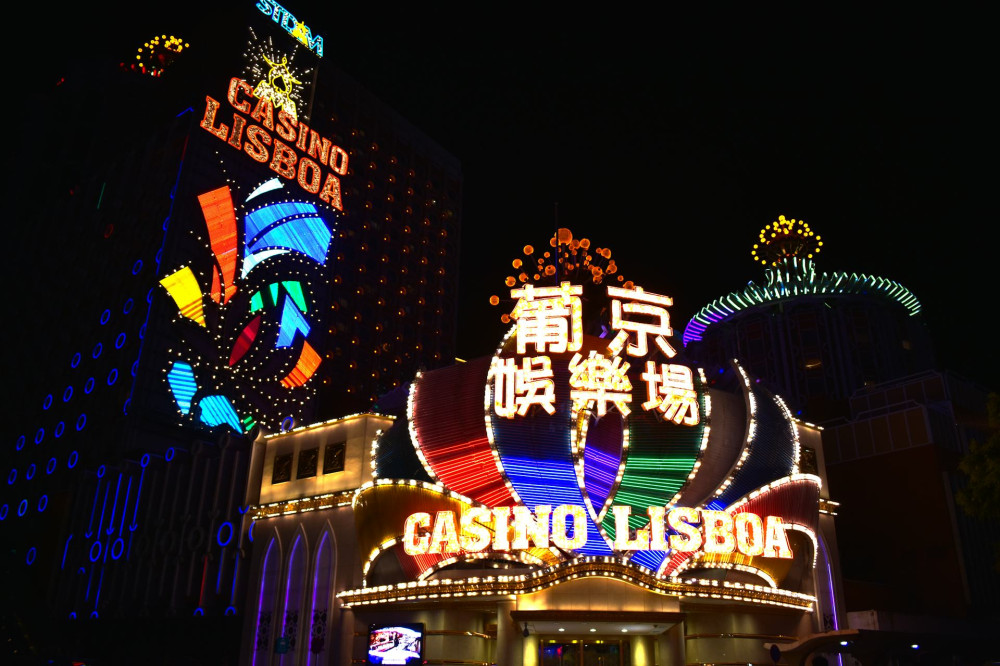
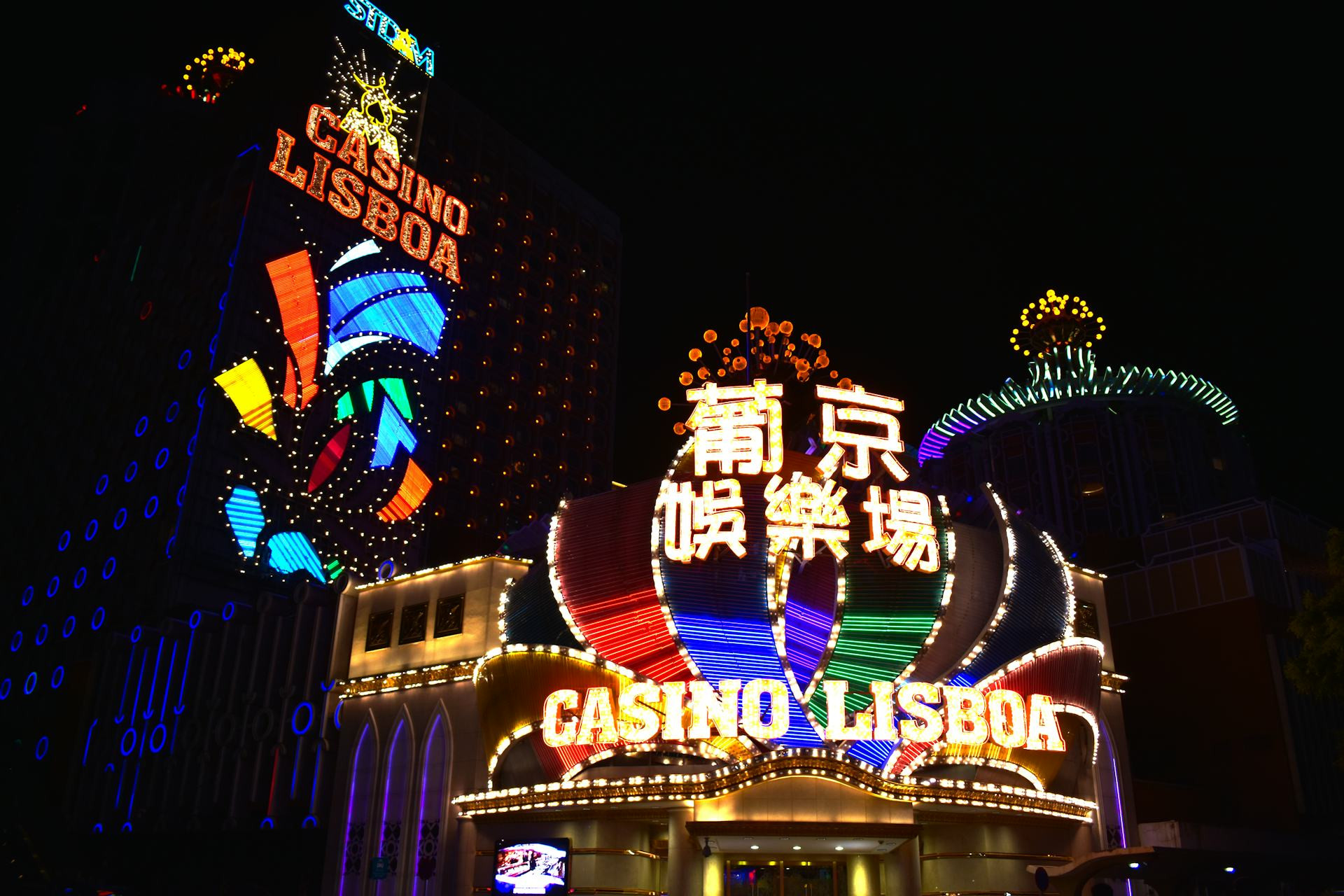
Asia is home to some of the world’s most striking contrasts in gambling regulation. Macau remains the world’s largest casino hub, generating more revenue than Las Vegas. Singapore has embraced integrated resorts but enforces strict entry rules for its citizens. Japan has only recently approved its first casino resorts, hoping to boost tourism.
Meanwhile, countries such as China and India maintain tight restrictions, though online gambling continues to grow in popularity, often through offshore platforms that operate in legal grey areas.
Online Gambling: A Global Challenge
The internet has blurred national borders, allowing players to access casinos anywhere in the world. But it has also made regulation more complex. How can a country enforce its laws when the operator is based abroad?
Many governments have responded with website blocking, payment restrictions, and international cooperation to protect consumers. Within the EU, there is ongoing discussion about harmonising standards for responsible gambling, data protection, and anti-money laundering measures.
Responsible Gambling: A Shared Priority
No matter the jurisdiction, one theme is becoming universal: responsible gambling. Regulators and operators alike are focusing on balancing entertainment with protection. This means offering tools for self-exclusion, clear information about odds, and access to support services for those at risk of addiction.
In Ireland, as in many other countries, public awareness campaigns and partnerships with charities are becoming central to the industry’s social responsibility efforts.
A Market in Constant Motion
Casino laws and markets are evolving rapidly, driven by technology, politics, and shifting cultural attitudes. New payment methods like cryptocurrencies and emerging formats such as live dealer games and e-sports betting are testing the limits of existing regulations.
The future likely lies in smarter, more coordinated regulation—where innovation and responsibility go hand in hand. Whether you’re playing in Dublin, Las Vegas, or Macau, the ultimate goal remains the same: a safe, transparent, and sustainable gaming environment for all.
Læs også: